Roof Ventilation Utah: A Homeowner’s Guide
When it comes to roof ventilation Utah, local homeowners have questions. Roof ventilation is one of the most overlooked yet important parts of a roofing system. In Utah’s climate, proper ventilation protects your roof and your home year-round.
Roof Ventilation Utah: Why It Matters
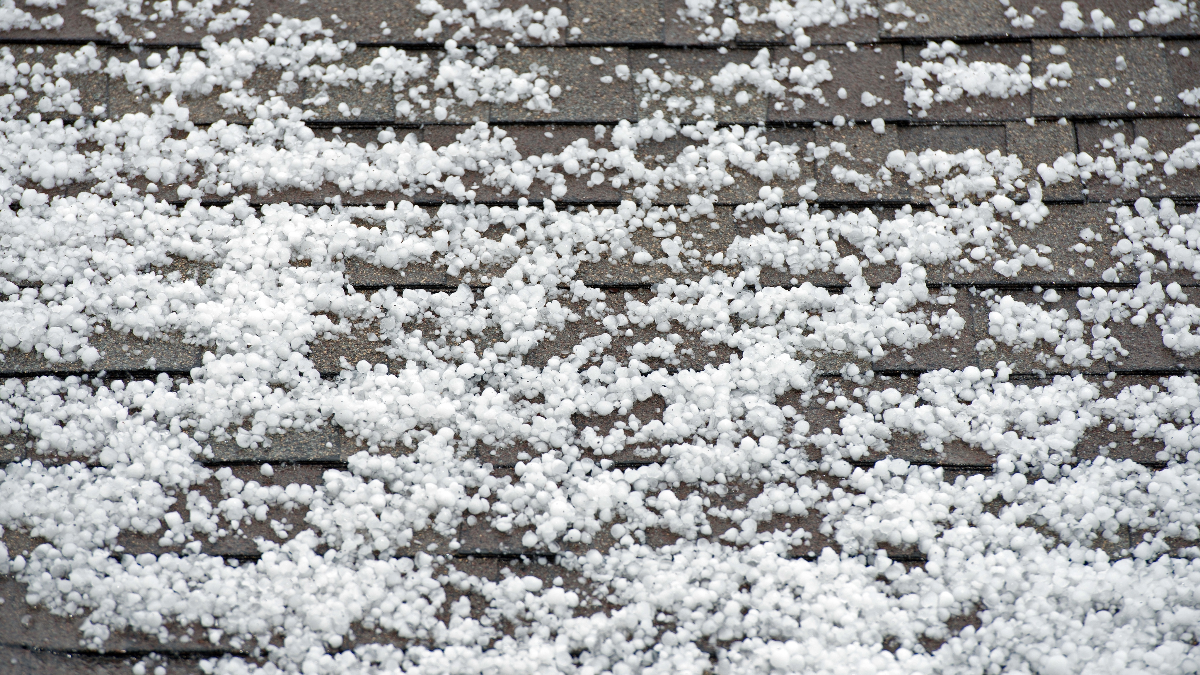
Why Ventilation Matters
Good attic ventilation removes heat in summer and moisture in winter, preventing premature shingle aging, mold, and the ice dams that plague Northern Utah roofs.
Ventilation During Replacement
A roof replacement is the ideal time to correct ventilation problems, adding intake and exhaust vents that balance airflow and extend the life of your new roof.
Do It Right the First Time
Authority Roofing evaluates ventilation on every replacement so homeowners in Bountiful and Layton get a roof system that lasts.
Get a Free Roofing Estimate Today
Ready to protect your home? Authority Roofing serves homeowners across Davis and Weber Counties with honest advice and quality workmanship. Call us at (801) 628-2112 for a free, no-obligation estimate, or explore more roofing tips on our blog.
For more on roof care, see the U.S. Department of Energy guidance on roofing and energy efficiency.
Frequently Asked Questions
Why is roof ventilation important in Utah?
Roof ventilation is important in Utah because it removes summer heat and winter moisture from the attic, which prevents premature shingle aging, mold growth, and ice dams. Proper ventilation extends the life of your roof.
Can poor ventilation cause ice dams?
Yes, poor attic ventilation lets heat build up and melt snow unevenly, which refreezes at the eaves and forms ice dams. Balanced ventilation and insulation help prevent them.
Should ventilation be updated during a roof replacement?
Yes, a roof replacement is the best time to correct ventilation, because intake and exhaust vents can be properly balanced to protect your new roof and improve energy efficiency.
How do I know if my attic has enough ventilation?
Signs of poor ventilation include a very hot attic in summer, moisture or frost on the underside of the roof in winter, and recurring ice dams. A roofer can assess whether your ventilation meets code.